
Real-Time Mold Detection Technology
Mold rarely announces its arrival. It grows quietly, spreads steadily, and damages health and property before anyone notices. Real-Time Mold Detection Technology changes that story. Instead of reacting late, you gain early awareness through continuous data.
This approach suits modern American homes and commercial buildings where moisture problems often stay hidden. In humid regions like Naples FL, early insight matters more than cleanup. This technology focuses on prevention, not panic. It works silently in the background while you live, work, and breathe easier.
Real-time solutions rely on constant environmental awareness rather than occasional testing. That difference alone reshapes how mold risks get managed today. When paired with smart infrastructure, early detection becomes part of everyday building care. You no longer guess. You respond with confidence and clarity.
What Is Real-Time Mold Detection Technology?
Real-Time Mold Detection Technology refers to systems that monitor conditions linked to mold growth every minute of the day. Instead of waiting for stains or odors, these systems track moisture, temperature, and air changes. The goal is early risk awareness. This approach helps you act before mold becomes visible or dangerous. It supports both residential and commercial spaces across the United States.
Unlike traditional inspections, this technology does not rely on one-time checks. It uses real time mold monitoring to watch patterns over time. That makes indoor mold detection more reliable. In moisture-prone areas such as Naples FL, this continuous awareness helps protect walls, floors, and air systems from long-term damage.
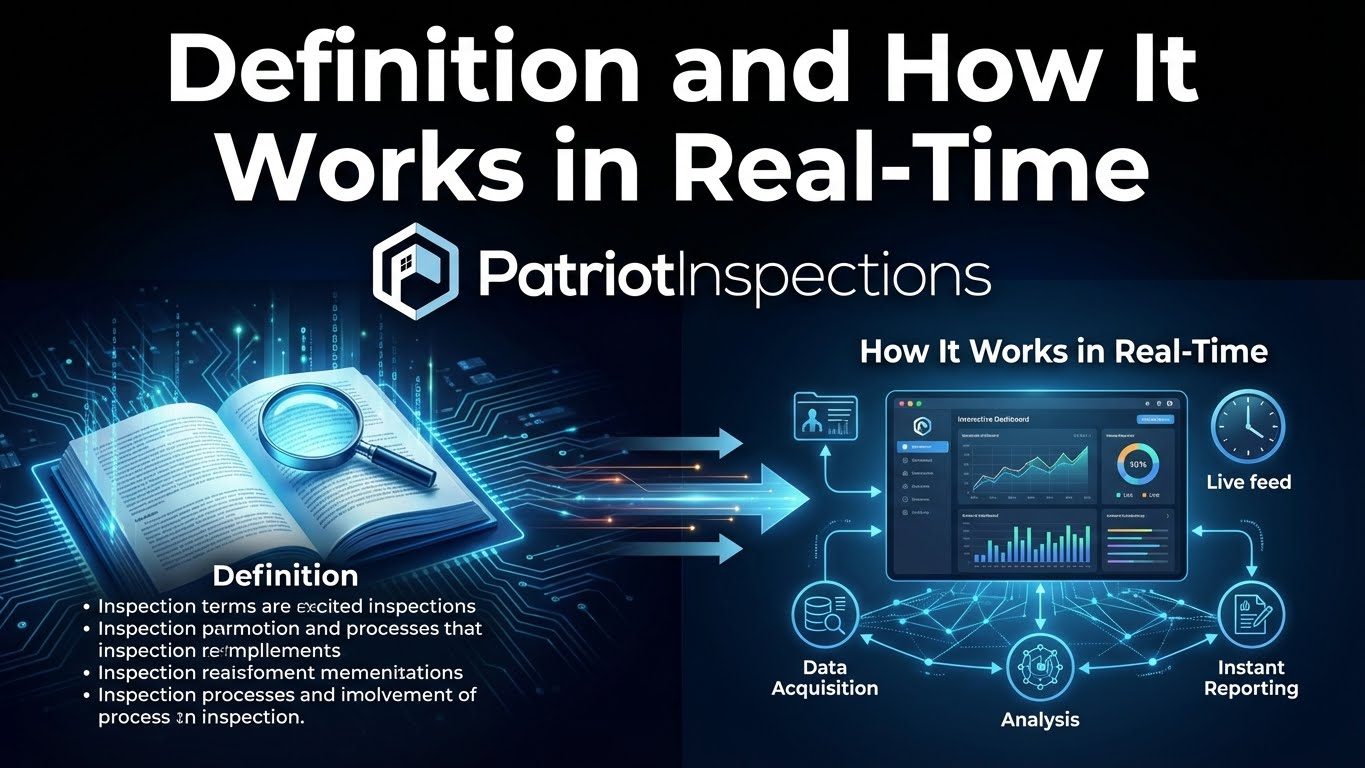
Definition and How It Works in Real-Time
At its core, this technology uses mold detection sensors placed in high-risk zones. These sensors collect environmental data constantly. Software then analyzes those readings to identify mold-friendly conditions. When risk levels rise, real time mold alerts notify you instantly. This automated process removes delays and guesswork from mold growth detection.
Why Real-Time Mold Detection Is Important
Mold affects more than surfaces. It impacts breathing, comfort, and property value. Many buildings develop moisture related mold problems long before anyone notices. Traditional inspections often miss early signs. By the time mold becomes visible, repairs already cost more. Early mold detection technology helps avoid that cycle.
For American households and businesses, prevention saves time and money. Continuous mold monitoring supports safer living spaces and cleaner air. In coastal regions like Naples FL, where humidity stays high, this technology acts as an early warning system rather than a cleanup tool.
Health, Property, and Air Quality Concerns
Mold exposure can worsen allergies and respiratory issues. It also lowers indoor air quality without obvious warning signs. Hidden mold identification matters because spores travel through ventilation systems. Early awareness protects occupants and reduces structural damage before repairs become disruptive.
How Real-Time Mold Detection Technology Works
The process begins with data collection. Sensors track humidity, temperature, and airborne changes linked to mold activity. These readings update constantly. Unlike lab tests, this approach focuses on trends rather than snapshots. That makes detection more accurate over time.
Next comes analysis. Advanced mold detection tools process incoming data using preset thresholds. When conditions indicate risk, alerts activate. This allows immediate action. For property managers and homeowners, this system builds trust because it explains why alerts happen, not just wh
Sensors, Data Analysis, and Instant Alerts
Humidity and moisture sensors play a central role. They detect conditions mold needs to grow. Data flows into dashboards that support real time environmental monitoring. When limits get crossed, alerts reach your phone or system panel, enabling fast response.
Types of Real-Time Mold Detection Systems
Not all systems serve the same purpose. Some focus on single rooms. Others cover entire buildings. The right choice depends on layout, occupancy, and climate. Smart mold detection system options range from simple monitors to full building integratio
In larger facilities, systems connect with smart building monitoring systems. These setups support real time mold detection for commercial buildings. In homes, smaller devices focus on targeted protection. In humid areas like Naples FL, whole-home monitoring offers stronger long-term v
IoT Devices, Air Quality Sensors, and Smart Monitors
IoT mold monitoring devices send live data to cloud platforms. Air quality sensors track particulate changes linked to airborne mold spores detection. Smart monitors combine multiple readings into one interface. Together, they support automated mold detections without manual input.
Real-Time Mold Detection vs Traditional Mold Testing
Traditional testing relies on samples and lab analysis. Results take days. During that time, mold continues to spread. This approach reacts after exposure occurs. Real-time systems work differently. They focus on prevention through continuous awareness.
When comparing real time mold detection vs lab testing, speed becomes the key difference. Real-time systems cost less over time because they prevent damage. They also reduce disruption since you act early instead of remediating late-stage growth.
Accuracy, Speed, and Cost Comparison
Lab tests identify mold types. Real-time systems identify risk conditions. Together they serve different purposes. For daily protection, real-time mold detection equipment delivers faster insight and lower long-term costs.
Benefits of Using Real-Time Mold Detection Technology
The strongest benefit comes from timing. Mold causes the most damage when it grows unnoticed. Real-time mold detection technology changes that by watching conditions before mold appears. You gain control instead of reacting late. Continuous tracking helps you fix leaks, adjust ventilation, and manage humidity early. That keeps walls, ceilings, and air systems safer for longer periods.
Another benefit involves money and planning. Repairs cost less when damage stays small. Continuous mold monitoring reduces emergency cleanup and insurance disputes. Property owners gain better maintenance records. Families gain peace of mind. Over time, early awareness protects both health and investment without constant manual checks.
Early Warning, Cost Savings, and Continuous Monitoring
Early warnings allow small actions instead of major repairs. Real time mold alerts guide quick responses. Continuous oversight reduces guesswork. Instead of waiting for odors or stains, you rely on data that shows risk trends clearly and early.
Where Real-Time Mold Detection Technology Is Used
This technology fits anywhere moisture exists. Homes benefit because bathrooms, basements, and HVAC systems trap humidity. Offices use monitoring to protect employees and equipment. Hospitals rely on clean air to protect vulnerable patients. Industrial spaces depend on stable conditions to protect materials and processes.
Usage also depends on building size and function. Small homes use targeted sensors. Large facilities use networked systems. Real time mold detection for commercial buildings helps manage risk across many rooms at once. This flexibility makes the technology useful across industries.
Homes, Offices, Hospitals, and Industrial Spaces
Homes focus on comfort and health. Offices focus on productivity. Hospitals focus on safety. Industrial sites focus on compliance. Each setting uses monitoring differently, yet all rely on early awareness to prevent mold spread.
Limitations and Challenges of Real-Time Mold Detection
No system works perfectly in isolation. Real-time monitoring identifies risk conditions, not visible mold colonies. It does not replace professional inspections when mold is already present. Understanding this limitation builds trust and realistic expectations.
Environmental factors also affect accuracy. Poor sensor placement reduces data quality. Sudden weather changes can influence readings. These challenges do not reduce value, but they require informed setup and interpretation for best results.
Accuracy Limits and Environmental Factors
Airflow, room size, and sensor location matter. Data improves when sensors sit near moisture sources. Proper calibration ensures readings reflect real conditions rather than temporary changes.
Why Real-Time Mold Detection Technology Is a Smart Choice
- Provides early warnings before mold becomes visible or harmful
- Continuously monitors moisture, humidity, and air conditions
- Helps prevent expensive repairs and structural damage
- Improves indoor air quality for healthier living spaces
- Reduces dependence on delayed lab testing methods
- Suitable for homes, offices, and commercial buildings
- Supports proactive maintenance instead of emergency cleanup
- Works especially well in humid and moisture-prone environments
Choosing the Right Real-Time Mold Detection System
Choosing the right system starts with your needs. Small spaces need focused monitoring. Large buildings need scalable platforms. The best choice balances coverage, accuracy, and ease of use rather than price alone.
Buyers should also consider long-term value. Look at data history access, alert customization, and system integration. Professional mold monitoring solutions often provide better support and clearer insights than basic consumer devices.
Key Features to Look for Before Buying
Strong systems offer real-time alerts, trend tracking, and remote access. Reliable support and clear dashboards help users act confidently without technical confusion.
Future of Real-Time Mold Detection Technology
Technology continues to evolve quickly. Future systems will not only monitor conditions but predict risks. Pattern recognition will identify problems before thresholds are crossed. This shift moves mold control from detection to prevention.
Integration with smart homes and commercial platforms will expand. Real time mold detection technology will become part of standard building management. Data-driven maintenance will replace routine inspections over time.
AI, Smart Homes, and Predictive Mold Prevention
AI based mold detection analyzes long-term patterns. It learns how buildings respond to weather and usage. Predictive insights will suggest actions before moisture becomes dangerous. Prevention will become automatic rather than reactive.
Comparison Table: Real-Time Detection and Traditional Testing
| Feature | Real-Time Mold Detection | Traditional Mold Testing |
| Monitoring frequency | Continuous | One-time |
| Response speed | Immediate alerts | Delayed results |
| Focus | Risk conditions | Mold identification |
| Cost over time | Lower | Higher |
| Preventive value | High | Limited |
This comparison shows why prevention-focused systems offer stronger long-term protection. Both methods serve roles, but real-time monitoring supports daily safety and planning.
Conclusion
Mold remains a hidden threat in many buildings. Waiting for visible signs often means higher costs and greater health risks. Real-Time Mold Detection Technology offers a smarter approach. Continuous awareness replaces guesswork. Early signals replace late reactions. As buildings become more connected, prevention becomes easier and more reliable. This shift protects people, property, and peace of mind through timely insight rather than costly recovery.
FAQs
What is Real-Time Mold Detection Technology?
Real-Time Mold Detection Technology continuously monitors conditions that support mold growth and alerts you before mold becomes visible or harmful.
How does real-time mold detection work?
It uses sensors to track moisture, humidity, and air changes, then analyzes data instantly to identify mold-friendly conditions early.
Is real-time mold detection better than traditional mold testing?
Yes, it focuses on prevention by monitoring conditions continuously, while traditional testing only identifies mold after it appears.
Can real-time mold detection find hidden mold?
It helps with hidden mold identification by detecting environmental risks that allow mold to grow behind walls or under floors.
Is this technology safe for homes and families?
Yes, it improves indoor air quality and reduces exposure risks by warning you before mold spreads.
Does real-time mold detection work in humid climates?
Yes, it is especially effective in humid regions because it tracks moisture changes that often trigger mold growth.
Can businesses use real-time mold detection systems?
Yes, many offices, hospitals, and commercial buildings use it to maintain safe environments and reduce maintenance costs.
Does real-time mold detection replace professional inspections?
No, it supports inspections by providing early warnings but does not replace lab testing when mold is already present.
How accurate are real-time mold detection systems?
Accuracy depends on proper sensor placement and calibration, but continuous monitoring improves reliability over time.
Is real-time mold detection expensive?
Initial costs vary, but long-term savings are significant due to reduced repairs and early problem prevention.
Home Inspection Services Across Florida
PatriotInspect delivers certified, trusted, and location-specific inspection services across Southwest Florida and Miami-Dade County.
Four Point Inspection – Fort Myers
Insurance-focused inspection for roofing, plumbing, electrical, and HVAC systems.
Home Inspection – Fort Myers
Complete home inspection services for buyers, sellers, and homeowners.
Mold Inspection – Fort Myers
Professional mold inspections for moisture-related issues and indoor air quality.
Wind Mitigation – Fort Myers
Identify wind-resistant features that may help reduce insurance premiums.
Home Inspection – Cape Coral
Certified and trusted home inspections tailored for Cape Coral properties.
Four Point Inspection – Cape Coral
Insurance-required inspections for Florida homes.
Wind Mitigation – Cape Coral
Wind mitigation inspections to support insurance discounts.
Condo Inspection – Cape Coral
Focused inspections for condo units and shared systems.
Mold Inspection & Testing – Cape Coral
Advanced mold testing and inspection services.
Condo Inspection – Naples
Detailed condo inspections for Naples homeowners and buyers.
Four Point Inspection – Naples
Insurance-focused system inspections.
Mold Inspection & Testing – Naples
Humidity-related mold inspections and testing services.
Wind Mitigation – Naples
Wind-resistant feature verification for insurance savings.
Home Inspection – Bonita Springs
Comprehensive inspections for buyers and sellers.
Four Point Inspection – Bonita Springs
Insurance-required inspection for key home systems.
Wind Mitigation – Bonita Springs
Wind mitigation reports to help lower insurance costs.
Mold Inspection & Testing – Bonita Springs
Mold detection and moisture assessment services.
Condo Inspection – Bonita Springs
Specialized condo inspections for interior systems.
Home Inspection – Marco Island
Full property inspections for coastal homes.
Four Point Inspection – Marco Island
System-focused inspections for insurance needs.
Wind Mitigation – Marco Island
Storm-resistance inspections for coastal properties.
Condo Inspection – Marco Island
Condo inspections focused on unit-specific systems.
Mold Testing – Marco Island
Professional mold testing for indoor air quality concerns.
Radon Testing – Marco Island
Accurate radon testing for long-term health protection.
Home Inspection – Miami-Dade County
Trusted home inspection services across Miami-Dade County.
Four Point Inspection – Miami-Dade County
Insurance-focused inspections for key home systems.
Mold Inspection & Testing – Miami-Dade County
Mold detection services for humid environments.
Condo Inspection – Miami-Dade County
Certified condo inspections for urban and coastal properties.