
HVAC Lifespan and Efficiency Rating in Four Point Inspection
Understanding HVAC Lifespan and Efficiency Rating in Four Point Inspection is essential for homeowners, especially in Naples, FL, where extreme heat and humidity put high demands on air conditioners. A thorough HVAC inspection ensures your heating and cooling systems operate efficiently, prolongs furnace lifespan, and identifies potential issues before they escalate. During a Four Point home inspection, insurance companies often evaluate HVAC age and condition, making proper maintenance crucial.
Homeowners can follow a HVAC maintenance checklist to prevent costly repairs and maximize energy efficiency. This guide provides insights into air conditioning efficiency, system longevity, and the impact of HVAC condition on inspections, insurance, and home values.
Understanding Four Point Inspection
A Four Point home inspection focuses on evaluating the four most critical systems in a house: the roof, plumbing, electrical, and HVAC. Inspectors look for functional issues, age-related wear, and potential safety hazards. This type of inspection is commonly required by insurance companies to approve or renew coverage.
For homeowners in Naples, FL, undergoing this inspection is vital because it identifies areas that might lead to claims or higher premiums. A strong inspection report shows that systems like the HVAC are operating efficiently, reducing the risk of future damage and unexpected costs.
During the inspection, the HVAC system is evaluated for heating and cooling system longevity, energy efficiency, and operational stability. Technicians will check components such as the condenser, evaporator, ducts, and thermostat settings.
Proper evaluation highlights both minor and major issues, including leaks, faulty wiring, or refrigerant loss. Preventive HVAC maintenance records are examined to ensure consistent care, which can positively influence insurance decisions. Understanding the results of a Four Point Inspection empowers homeowners to schedule repairs, plan replacements, and maintain property value effectively
What is a Four Point Inspections?
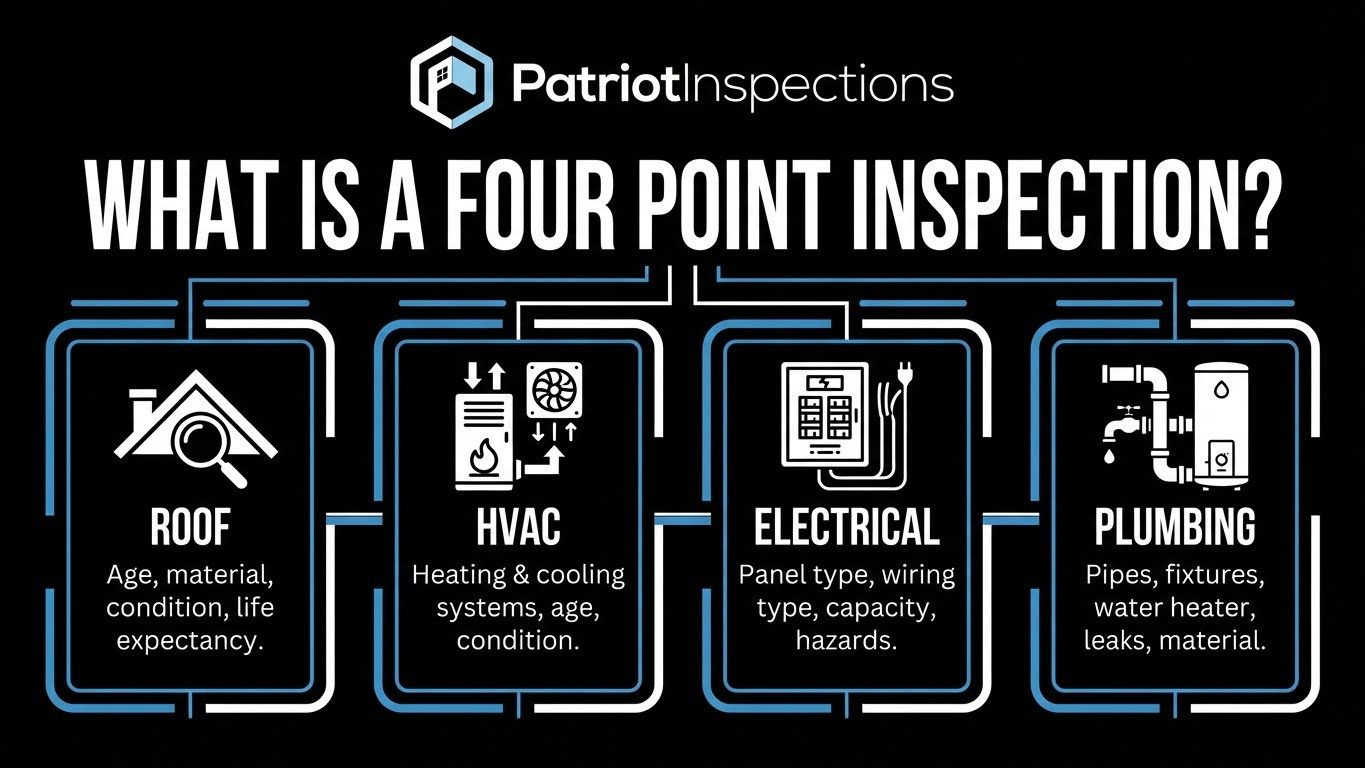
A Four Point Inspection is a concise, focused evaluation covering the home’s roof, electrical wiring, plumbing systems, and HVAC. It provides a snapshot of current conditions without requiring a full home inspection. Insurance companies rely on these inspections to assess the risk associated with insuring the property.
The report includes age, performance, and any deficiencies, helping homeowners address urgent concerns and plan upgrades, especially for energy-efficient HVAC systems that improve overall performance and lower operational costs.
The Role of HVAC in Four Point Inspection
The HVAC system is central to the Four Point Inspection because it affects both comfort and safety. Inspectors review how well the system heats and cools, whether air conditioning efficiency is sufficient, and how the heating system efficiency compares to modern standards
In Naples, FL, the extreme summer heat places additional stress on air conditioners, making an accurate assessment of HVAC performance evaluation critical for homeowners and insurers alike. A faulty system can lead to higher energy bills, discomfort, and even insurance complications if the system is deemed inadequate.
Beyond energy performance, the inspection also looks at the ductwork inspection for leaks or blockages, the condition of the furnace, and whether preventive care has been applied consistently. Homes with poor HVAC maintenance or older units may face challenges in obtaining insurance or might pay higher premiums.
The inspection provides a detailed view of both efficiency and potential risks, guiding decisions for repair, replacement, or upgrade, ensuring the system is compliant, safe, and capable of maintaining a comfortable environment throughout the year.
Why HVAC Evaluation Matters
HVAC evaluation during a Four Point Inspection is important because insurance companies rely on the system’s condition to determine policy approval. An aging or inefficient system may not meet their standards, affecting coverage and premiums.
Inspection report tips indicate that documenting HVAC maintenance checklist completion and system upgrades can positively influence the evaluation. Proper evaluation also helps homeowners plan for replacement before failures occur, saving costs and reducing the risk of emergency repairs.
Average HVAC Lifespan
The typical furnace lifespan and air conditioning units usually range from 15 to 20 years, although proper care and maintenance can extend this. Factors such as usage frequency, climate conditions, and quality of installation affect longevity.
In Naples, FL, high humidity, salty air, and constant heat demand can shorten equipment life if not maintained. Regular inspections, including HVAC inspection and preventive HVAC maintenance, help monitor wear and tear, allowing homeowners to take timely action to extend system life and maintain comfort.
Long-term durability also depends on energy efficiency and component quality. Modern units with higher SEER ratings often last longer due to advanced technology that reduces strain. Proper maintenance ensures that coils, filters, and motors are functioning optimally.
Homeowners can track age and service history to anticipate replacement needs. The combination of heating and cooling system longevity, HVAC system replacement planning, and seasonal servicing ensures that a home remains comfortable and energy-efficient over decades.
Factors Affecting HVAC Longevity
Several factors influence HVAC age and condition, including environmental conditions, usage patterns, and quality of installation. Systems that undergo preventive HVAC maintenance such as duct cleaning, refrigerant checks, and filter replacement last longer.
Frequent heavy use, poor maintenance, and exposure to coastal humidity, as in Naples, FL, can accelerate deterioration. Evaluating these factors provides insight into future maintenance requirements and helps homeowners make informed decisions about repairs or system replacement.
HVAC Efficiency Ratings Explained
Understanding HVAC efficiency ratings is crucial for both energy savings and home insurance inspections. The SEER rating (Seasonal Energy Efficiency Ratio) measures air conditioning efficiency, while the AFUE rating (Annual Fuel Utilization Efficiency) evaluates furnace performance.
HSPF ratings are used for heat pumps. Higher ratings indicate lower energy consumption and reduced utility costs, making homes more attractive for buyers and compliant with insurance requirements. HVAC performance evaluation ensures that these systems meet expected standards and operate efficiently, particularly in regions like Naples, FL, where cooling demand is high.
Evaluating efficiency also helps plan upgrades or replacements. Older systems with lower heating system efficiency or cooling system performance might require more energy to achieve the same comfort levels, resulting in higher bills and environmental impact
Proper inspection and documentation of efficiency metrics during a Four Point Inspection allow homeowners to make cost-effective decisions, maintain comfort, and ensure compliance with home insurance inspection requirements.
Understanding SEER, AFUE, and HSPF
The SEER rating measures the efficiency of air conditioners, while AFUE indicates furnace energy utilization. HSPF evaluates heat pump performance. Together, these metrics allow inspectors to determine HVAC system replacement needs and assess energy-efficient HVAC capabilities. Accurate rating documentation also guides homeowners in budgeting for future upgrades or servicing.
How HVAC Condition Impacts Four Point Inspection Results
The condition of an HVAC system can heavily influence the results of a Four Point home inspection. Inspectors assess the functionality of heating and cooling units, checking for any signs of wear, damage, or inefficiency. Systems that are old, poorly maintained, or improperly installed can cause homeowners to face higher insurance premiums or even denial of coverage.
In Naples, FL, where air conditioners work almost constantly during summer months, the inspection often focuses on both the performance of the unit and the ductwork inspection, ensuring that airflow is not restricted and energy loss is minimized.
Failing components such as leaking refrigerant lines, broken thermostats, or corroded coils may appear minor but can significantly reduce energy efficiency and increase the risk of system failure. Inspectors also evaluate the overall HVAC age and condition, comparing the current system’s performance against modern standards.
Accurate reporting of these factors helps homeowners plan HVAC system replacement if needed and ensures that emergency repairs are minimized. Properly functioning HVAC systems enhance comfort, maintain energy efficiency, and satisfy insurance requirements.
Common HVAC Issues Found During Inspections
Many HVAC systems fail to meet inspection standards due to leaks, duct blockages, refrigerant loss, worn-out components, or poor energy efficiency. Inspectors often note outdated systems that cannot sustain desired temperatures efficiently, which affects home comfort and long-term energy costs.
Homeowners who maintain service records and follow a preventive schedule usually pass inspections with fewer concerns. Understanding these common issues helps owners anticipate necessary repairs or replacements before the inspection takes place.
Maintenance Tips to Extend HVAC Lifespan
Extending the life of an HVAC system requires consistent attention and preventive HVAC maintenance. Homeowners should clean air filters regularly, inspect and seal ducts, lubricate moving parts, and schedule annual professional service. In Naples, FL, the coastal climate introduces additional wear factors such as corrosion and high humidity, making preventive maintenance essential to sustain heating and cooling system longevity. Seasonal checks help detect minor issues before they escalate into expensive repairs.
Proper maintenance also ensures air conditioning efficiency and reliable heating system performance. Recording maintenance activities, including filter replacements and refrigerant checks, provides a documented history that insurance companies often review during home insurance inspections. A system that receives consistent care not only lasts longer but also reduces utility bills and maintains comfort levels throughout the year, proving the value of regular upkeep.
Seasonal and Annual Maintenance Checklist
A thorough checklist includes cleaning or replacing filters, checking refrigerant levels, inspecting ducts for leaks, verifying thermostat operation, and ensuring condenser and evaporator coils are functioning correctly. Seasonal inspections, particularly in high-demand climates like Naples, FL, protect HVAC performance and increase the lifespan of the system. Following these steps ensures that homeowners address small problems before they lead to significant energy inefficiency or system breakdown.
Upgrading or Replacing HVAC Systems
Deciding whether to repair or replace an HVAC system requires careful analysis of age, efficiency, and repair costs. Systems that are over 15 years old, frequently malfunctioning, or underperforming often benefit more from replacement than continued repairs.
Modern units provide improved energy efficiency, enhanced heating and cooling system longevity, and better comfort control. In Naples, FL, where summers are hot and humid, a high-performing system is crucial to maintaining indoor comfort and minimizing energy usage.
Upgrading to a newer system can also address air conditioning efficiency concerns, reduce maintenance requirements, and ensure compliance with insurance expectations.
Advanced units feature variable-speed fans, smart thermostats, and environmentally friendly refrigerants, making them more reliable and cost-effective over time. Evaluating repair versus replacement based on long-term cost, energy savings, and system performance ensures homeowners make practical decisions that protect both comfort and investment.
Signs You Need a New System
Frequent breakdowns, rising energy bills, inconsistent temperatures, and extensive wear on components indicate that replacement may be a better choice than repair. Understanding these signs allows homeowners to plan upgrades proactively, maintaining optimal comfort and avoiding emergency costs during peak seasonal demand.
Insurance Implications of HVAC Age and Efficiency
Insurance companies take the age and efficiency of HVAC systems seriously when approving coverage. Older or inefficient systems may result in higher premiums or claim restrictions. Documentation of regular preventive HVAC maintenance can positively influence insurers, showing that the system is maintained responsibly. Homeowners in Naples, FL benefit from detailed service records, demonstrating HVAC performance evaluation and energy efficiency compliance, which often leads to smoother approval of policies.
Policies frequently require inspection of key systems before approval or renewal, and inspectors use HVAC age and efficiency as benchmarks for risk assessment. Maintaining records of maintenance, repairs, and system efficiency ensures accurate reporting to insurers, reducing the likelihood of disputes or claim denials. Well-maintained HVAC units can lower insurance costs and provide homeowners with peace of mind that their property meets safety and energy standards.
How Insurers Evaluate HVAC in Policies
Insurers consider system age, efficiency, maintenance history, and overall functionality. Units showing consistent wear, frequent failures, or low energy efficiency may require upgrades to meet coverage standards. Proper evaluation ensures fair premiums and full insurance protection.
Tips for Homebuyers: Evaluating HVAC During Purchase
When purchasing a home, evaluating the HVAC system is critical. Buyers should review inspection reports, focusing on system age, efficiency ratings, and maintenance history. Homes in Naples, FL require special attention to air conditioning efficiency due to hot, humid summers. A thorough evaluation provides insight into potential repair or replacement costs, allowing buyers to make informed decisions and negotiate appropriately.
Understanding heating system efficiency, cooling system performance, and ductwork condition helps homebuyers anticipate future expenses. Evaluating inspection notes regarding wear, leaks, and efficiency provides a clearer picture of system reliability. Buyers who review homebuyer HVAC guide information can prioritize properties with energy-efficient HVAC systems, reducing long-term operational costs and enhancing comfort.
What to Look for in Inspection Report
Inspection reports should include system age, energy efficiency ratings, maintenance history, and observed deficiencies. Evaluating this information helps buyers decide whether repairs, maintenance, or full replacement may be required after purchase.
HVAC Lifespan and Efficiency Ratings Overview Table
| System Type | Average Lifespan | Efficiency Rating | Notes for Naples, FL |
| Central AC | 15–20 years | SEER 13–21 | High humidity and heat require frequent maintenance |
| Furnace | 15–25 years | AFUE 80–98% | Annual servicing improves lifespan and efficiency |
| Heat Pump | 10–20 years | HSPF 7–10 | Efficient for mild winters, requires regular maintenance |
| Ductwork | 20–30 years | N/A | Inspect for leaks and corrosion; impacts HVAC performance |
Key Steps to Maximize HVAC Lifespan and Efficienc
- Schedule regular preventive HVAC maintenance to keep systems running smoothly.
- Inspect ductwork for leaks or blockages to maintain proper airflow.
- Replace air filters seasonally to improve air conditioning efficiency and indoor air quality.
- Monitor system age and performance to determine when HVAC system replacement is necessary.
- Track heating system efficiency and energy consumption to optimize costs.
- Keep detailed maintenance records for home insurance inspections and policy approval.
- Clean condenser and evaporator coils annually to prevent efficiency loss.
- Check refrigerant levels and thermostat functionality to ensure consistent performance.
- Evaluate repair vs replacement costs to make cost-effective decisions.
- Use energy-efficient upgrades like high SEER or AFUE-rated units to extend lifespan.
Conclusion
A well-maintained HVAC system plays a critical role in Four Point home inspections and overall home comfort. Regular preventive HVAC maintenance and accurate evaluation of system age, efficiency, and performance ensure reliable heating and cooling throughout the year.
Homeowners in Naples, FL, benefit from monitoring air conditioning efficiency, heating system performance, and ductwork condition to avoid costly repairs and improve property value. Investing in timely repairs or upgrading to energy-efficient units not only extends HVAC lifespan but also helps satisfy insurance requirements. Understanding inspection results and acting proactively allows homeowners to maintain comfort, reduce energy costs, and protect their home investment over time.
FAQs
1. What is a Four Point Inspection?
It is a focused home inspection covering the roof, plumbing, electrical, and HVAC systems. Insurance companies use it to assess property risk and approve coverage.
2. How long does an HVAC system usually last?
Central AC and furnaces generally last 15–20 years with proper maintenance. Heat pumps usually last 10–20 years depending on usage and climate.
3. What is SEER rating?
SEER stands for Seasonal Energy Efficiency Ratio and measures air conditioning efficiency. Higher SEER means lower energy consumption.
4. What is AFUE rating?
AFUE stands for Annual Fuel Utilization Efficiency and evaluates furnace performance. A higher AFUE indicates better fuel efficiency.
5. Why is HVAC maintenance important?
Regular maintenance ensures longer lifespan, improved energy efficiency, and fewer repairs. It also impacts inspection results and insurance approval.
6. How does HVAC condition affect insurance?
Older or inefficient systems may raise premiums or limit coverage. Proper documentation and maintenance can improve policy approval.
7. When should I replace my HVAC system?
Replace the system if it is over 15 years old, frequently breaks down, or underperforms. Upgrading ensures comfort and efficiency.
8. What should homebuyers check in HVAC inspection reports?
Review system age, efficiency ratings, maintenance history, and any deficiencies. This helps anticipate repair or replacement costs.
9. How does ductwork impact HVAC efficiency?
Leaky or blocked ducts reduce airflow and increase energy bills. Proper duct inspection ensures consistent performance and energy savings.
10. Can preventive maintenance extend HVAC lifespan?
Yes, following a maintenance checklist and regular servicing can extend equipment life by several years. It also improves cooling and heating performance.
Home Inspection Services Across Florida
PatriotInspect delivers certified, trusted, and location-specific inspection services across Southwest Florida and Miami-Dade County.
Four Point Inspection – Fort Myers
Insurance-focused inspection for roofing, plumbing, electrical, and HVAC systems.
Home Inspection – Fort Myers
Complete home inspection services for buyers, sellers, and homeowners.
Mold Inspection – Fort Myers
Professional mold inspections for moisture-related issues and indoor air quality.
Wind Mitigation – Fort Myers
Identify wind-resistant features that may help reduce insurance premiums.
Home Inspection – Cape Coral
Certified and trusted home inspections tailored for Cape Coral properties.
Four Point Inspection – Cape Coral
Insurance-required inspections for Florida homes.
Wind Mitigation – Cape Coral
Wind mitigation inspections to support insurance discounts.
Condo Inspection – Cape Coral
Focused inspections for condo units and shared systems.
Mold Inspection & Testing – Cape Coral
Advanced mold testing and inspection services.
Condo Inspection – Naples
Detailed condo inspections for Naples homeowners and buyers.
Four Point Inspection – Naples
Insurance-focused system inspections.
Mold Inspection & Testing – Naples
Humidity-related mold inspections and testing services.
Wind Mitigation – Naples
Wind-resistant feature verification for insurance savings.
Home Inspection – Bonita Springs
Comprehensive inspections for buyers and sellers.
Four Point Inspection – Bonita Springs
Insurance-required inspection for key home systems.
Wind Mitigation – Bonita Springs
Wind mitigation reports to help lower insurance costs.
Mold Inspection & Testing – Bonita Springs
Mold detection and moisture assessment services.
Condo Inspection – Bonita Springs
Specialized condo inspections for interior systems.
Home Inspection – Marco Island
Full property inspections for coastal homes.
Four Point Inspection – Marco Island
System-focused inspections for insurance needs.
Wind Mitigation – Marco Island
Storm-resistance inspections for coastal properties.
Condo Inspection – Marco Island
Condo inspections focused on unit-specific systems.
Mold Testing – Marco Island
Professional mold testing for indoor air quality concerns.
Radon Testing – Marco Island
Accurate radon testing for long-term health protection.
Home Inspection – Miami-Dade County
Trusted home inspection services across Miami-Dade County.
Four Point Inspection – Miami-Dade County
Insurance-focused inspections for key home systems.
Mold Inspection & Testing – Miami-Dade County
Mold detection services for humid environments.
Condo Inspection – Miami-Dade County
Certified condo inspections for urban and coastal properties.