
Fusarium Mold: Causes, Effects, and Effective:
Fusarium Mold is a common and persistent fungus that can affect both homes and agriculture. Found in damp areas, soil, and building materials, this mold thrives in warm, humid conditions, making places like Naples, FL especially prone to mold growth in homes. Exposure can lead to serious health risks of mold, including respiratory issues, allergies, and skin irritation.
Fusarium also causes crop mold fungus problems, reducing yields and contaminating food. Detecting it early through proper inspection and applying effective mold remediation and mold prevention techniques is essential for keeping homes, gardens, and families safe from this toxic and resilient fungus.
Patriot's licensed Mold Assessor can test your home and tell you exactly what's there — lab results, not guesswork.
Mold Inspection & Testing → Call (239) 826-5866What is Fusarium Mold?
Fusarium mold is a widespread type of fungus that thrives in damp and warm environments. It can grow both indoors and outdoors, often appearing in soil, wood, and building materials. This mold is highly resilient, and its spores can survive harsh conditions, making it one of the most persistent indoor and outdoor molds. In homes, especially those in humid climates like Naples, FL, Fusarium mold contamination can develop unnoticed for months, slowly affecting walls, floors, and even HVAC systems.
Its growth is commonly pink, white, or reddish-brown, depending on the species and environment. Fusarium mold contamination is not only a structural problem but also a health concern, as its spores can spread through the air, causing respiratory issues or allergic reactions. Understanding Fusarium mold is crucial for early detection, safe mold removal, and long-term mold prevention techniques.
Fusarium spores are extremely small and lightweight, allowing them to travel easily through air currents, water, or contaminated soil. Once they settle on damp surfaces, they begin to colonize and reproduce, often creating large colonies if left unchecked. Fusarium mold contamination can affect a variety of materials, from drywall and wood to fabrics and carpets. Its presence is often a sign of mold growth in homes that have sustained water damage or have high indoor humidity levels.
Unlike some other molds that may only grow on specific surfaces, Fusarium is highly adaptable and can survive in both indoor and outdoor environments. Awareness of its growth patterns and characteristics allows homeowners and professionals to implement targeted mold remediation strategies and prevent further damage or Fusarium infection.
Understanding Fusarium Species
Fusarium includes several species, each with distinct characteristics and preferred environments. Some species, such as those causing Fusarium wilt, primarily affect plants, while others are more likely to grow indoors, affecting damp building materials. The differences in species influence the type of mold remediation required, as well as the potential health risks.
Accurate identification is essential, especially in agricultural settings where crop mold fungus can cause economic losses. Fusarium species also vary in color, texture, and growth rate, which helps specialists determine the severity of an infestation and the appropriate preventive measures. Recognizing these species enables homeowners in Naples, FL to understand which areas of their homes or gardens are most at risk and how to monitor them for early signs of mold infestation.
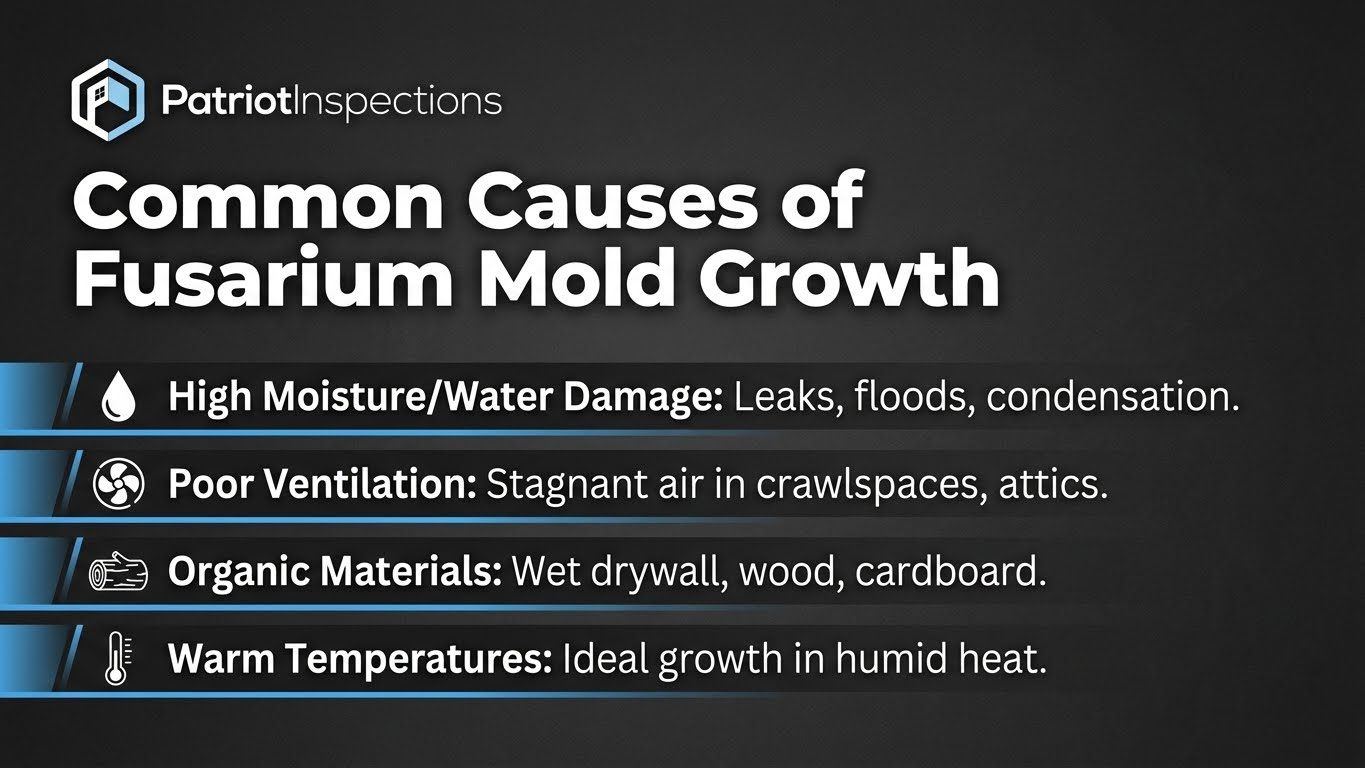
Common Causes of Fusarium Mold Growth
Fusarium mold growth is primarily driven by environmental factors, including moisture, temperature, and poor ventilation. Leaking pipes, flooding, or condensation on windows and walls create the damp conditions that Fusarium thrives in. Homes in humid areas like Naples, FL are particularly vulnerable because constant humidity promotes spore germination.
Soil contamination near foundations or in gardens can also contribute to indoor growth, as spores may enter through open doors, windows, or cracks. Fungal spores from nearby outdoor sources can infiltrate homes and colonize surfaces that remain moist for prolonged periods. Understanding the causes of Fusarium mold growth allows homeowners to implement mold prevention techniques effectively, reducing the risk of structural damage and health problems.
Temperature fluctuations and stagnant air further accelerate Fusarium mold development. Warm conditions increase the rate at which spores germinate, while poor air circulation allows them to settle and grow on surfaces. Building materials such as wood, drywall, and carpet can retain moisture, creating hotspots for mold growth in homes.
Even minor water exposure, if left untreated, can lead to extensive Fusarium mold contamination over time. Awareness of these factors is essential for both indoor and outdoor environments, particularly in regions prone to high rainfall or flooding. Proper ventilation, regular inspections, and early remediation can prevent serious infestations and reduce the likelihood of Fusarium infection.
Environmental Factors
The primary environmental triggers for Fusarium mold growth include high humidity, standing water, and damp building materials. Areas with limited airflow, such as basements, bathrooms, and crawl spaces, are especially vulnerable. These environmental factors allow fungal contamination in food and other organic materials, making early detection and preventive measures essential.
Signs and Symptoms of Fusarium Mold Infestation
Detecting Fusarium mold early is critical for health and safety. Common mold infestation signs include discoloration on walls, floors, or ceilings, and the presence of fuzzy growth that ranges from pink to reddish-brown. A musty or earthy odor is often noticeable in affected areas, indicating that spores are present in large quantities.
In gardens, plants may show signs of wilting or unusual spots, signaling soil contamination and the potential for Fusarium in soil and plants. Residents may experience respiratory irritation, frequent sneezing, or coughing, all of which are considered mold exposure symptoms. Early identification of these signs allows for timely mold remediation and reduces the risk of health risks of mold exposure.
Continued Fusarium mold infestation can lead to serious structural damage. Wood can weaken, drywall can rot, and carpets may develop irreparable mold colonies. In indoor environments, hidden mold behind walls or under flooring can be especially problematic, as it may go unnoticed while continuously releasing spores.
Regular inspections, monitoring humidity levels, and understanding how to detect mold are crucial steps in preventing extensive damage. In Naples, FL, where high humidity and occasional flooding are common, vigilance is essential to maintain safe and mold-free homes.
Visual and Olfactory Indicators
Fusarium mold is identifiable by its unique appearance and smell. It often presents as pink, white, or reddish-brown fuzzy patches. The musty, earthy odor is a key indicator of indoor mold problems. Recognizing these mold infestation signs early helps homeowners take immediate action to reduce exposure and implement safe mold removal methods.
Health Risks Associated with Fusarium Mold
Exposure to Fusarium mold can lead to serious health issues, particularly for sensitive individuals. Fusarium infection may cause respiratory distress, chronic sinus infections, skin irritation, and allergic reactions. Prolonged exposure increases the likelihood of asthma flare-ups or other respiratory complications.
Pets and livestock are also vulnerable to Fusarium spores, which may lead to coughing, eye irritation, and skin conditions. Being aware of these health risks of mold encourages timely mold remediation and prevents long-term health consequences, especially in areas prone to humidity and mold development like Naples, FL.
Fusarium mold can also exacerbate existing health conditions. Individuals with compromised immune systems are at greater risk of severe infections. This mold produces toxins that, when inhaled or ingested via contaminated food, may cause systemic health issues.
Preventive measures, including proper ventilation, moisture control, and professional mold inspection, are essential. Understanding these risks allows homeowners to implement mold prevention techniques and ensure a healthier living environment for both humans and animals.
Effects on Humans and Animals
Fusarium mold exposure can lead to coughing, sneezing, eye irritation, and skin rashes. Animals exposed to infested areas may experience similar mold exposure symptoms, highlighting the importance of comprehensive safe mold removal and environmental control.
Fusarium Mold in Agriculture
Fusarium mold is a major concern in agriculture because it attacks a wide range of crops, including wheat, corn, tomatoes, and other vegetables. The fungus produces toxins that compromise food safety, reduce crop yield, and lead to significant economic losses. Farmers in warm, humid regions face frequent challenges with crop mold fungus, especially if soil moisture is high or irrigation systems are contaminated.
The mold can persist in soil for years, making it difficult to grow crops in affected areas without proper soil management, rotation, or chemical treatment. Awareness of Fusarium mold in agriculture allows farmers to implement preventive measures that protect both plants and consumers from contamination.
Infected crops often show visible signs such as wilting, discoloration, and stunted growth. Fusarium wilt is particularly damaging because it blocks water flow within plants, causing entire sections to die prematurely. Mycotoxins produced by the mold are dangerous if ingested by humans or animals, making early detection essential.
Monitoring crops regularly, testing soil, and employing agricultural mold prevention strategies are crucial to reducing economic losses. Understanding the lifecycle of Fusarium fungi helps farmers identify critical intervention points to minimize infestations and ensure that crops remain safe for consumption.
Impact on Crops and Food Safety
Fusarium mold contamination in crops leads to reduced yields and unsafe food products. The mycotoxins produced by the fungus can cause health issues if ingested. Early detection and careful crop management are essential to prevent widespread contamination and economic losses.
Testing and Detection Methods
Identifying Fusarium mold early is key to effective remediation and safety. Homeowners can use DIY testing kits, which detect visible mold and provide preliminary results. These tests are useful for identifying surface-level contamination but often fail to detect hidden growth behind walls, under flooring, or within HVAC systems. Professional mold inspections are more thorough, using spore sampling and laboratory analysis to identify species accurately.
Knowing whether Fusarium mold is present allows for targeted mold removal methods and prevents further spread of spores, ensuring the safety of both residents and pets. In regions like Naples, FL, where humidity promotes mold growth in homes, professional inspections are highly recommended to prevent long-term damage.
Combining DIY awareness with expert assessment provides the most effective detection strategy. Homeowners can regularly monitor humidity levels, inspect vulnerable areas, and take immediate action when signs of Fusarium mold appear.
Early detection reduces structural damage, minimizes health risks, and ensures that remediation efforts are properly directed. Understanding how to detect mold empowers homeowners to take control of their indoor environment and maintain a safe, mold-free living space.
DIY vs Professional Testing
DIY tests help identify visible mold and provide quick results, but they often miss hidden growth. Professional services conduct spore analysis, check behind walls and HVAC systems, and provide accurate assessments to guide effective mold removal and prevention.
Effective Fusarium Mold Removal Techniques
Removing Fusarium mold requires a combination of moisture control, cleaning, and sometimes structural repair. Small infestations can be managed using household cleaning solutions, such as vinegar, hydrogen peroxide, or commercial fungicides. However, large or persistent infestations require professional intervention.
Mold remediation specialists use HEPA filtration, chemical treatments, and sometimes removal of affected materials to ensure that the mold is fully eradicated. Proper removal techniques prevent spores from spreading and reduce the risk of Fusarium infection in humans and animals. Ensuring safe mold removal also protects the structural integrity of the building and prevents recurring infestations.
Effective removal also depends on identifying the source of moisture and addressing it immediately. Leaks, condensation, or poor ventilation must be fixed to prevent further mold growth. Even after visible mold is gone, residual spores can persist and recolonize damp surfaces.
Combining professional services with ongoing monitoring and maintenance ensures long-term results. Safe mold removal, along with proper mold prevention techniques, keeps homes and businesses protected and minimizes health risks associated with Fusarium mold exposure.
Home Remedies and Professional Solutions
Home remedies such as vinegar, baking soda, and hydrogen peroxide can manage small infestations but rarely eliminate Fusarium entirely. Professionals offer chemical treatments, HEPA filtration, and structural repairs to ensure long-term eradication and safe indoor environments.
Preventing Fusarium Mold Growth
Prevention is the most effective way to deal with Fusarium mold. Moisture control is critical, as damp surfaces provide ideal conditions for spores to grow. Installing dehumidifiers, repairing leaks promptly, and improving ventilation all reduce the risk of mold growth in homes. Regular inspections of areas prone to dampness, such as basements, bathrooms, and crawl spaces, help detect early signs of infestation.
Taking proactive measures is especially important in humid regions like Naples, FL, where mold thrives easily. Maintaining a clean and dry environment prevents Fusarium mold contamination and protects both health and property.
Outdoor conditions also play a role in mold prevention. Proper landscaping, including drainage around foundations and avoiding water accumulation near gardens, reduces the likelihood of spores entering homes. Using treated soil, rotating crops, and keeping outdoor areas dry helps prevent Fusarium in soil and plants from spreading indoors. Implementing these strategies as part of a regular maintenance routine ensures long-term protection against mold, minimizing both structural damage and health risks.
Maintenance and Environmental Control
Routine cleaning, air circulation, and moisture monitoring are essential for long-term mold prevention. Controlling humidity, inspecting vulnerable areas, and maintaining proper ventilation effectively reduces spore buildup and prevents Fusarium colonization.
Key Steps to Prevent and Control Fusarium Mold
- Maintain low indoor humidity and ensure proper ventilation in all rooms.
- Repair leaks immediately in plumbing, roofing, or walls to prevent moisture buildup.
- Inspect basements, bathrooms, and crawl spaces regularly for dampness.
- Remove standing water and ensure proper drainage around your home and garden.
- Clean and dry affected areas promptly if minor mold growth occurs.
- Replace heavily contaminated materials such as drywall, carpets, or wood.
- Use dehumidifiers and air purifiers to reduce fungal spores in the air.
- Monitor soil and crops in gardens to prevent Fusarium in soil and plants.
- Hire professional mold remediation services for persistent or severe infestations.
- Apply preventive coatings or fungicides in high-risk areas if necessary.
Fusarium Mold vs Other Common Molds
Fusarium mold can be confused with other common molds such as Aspergillus, Cladosporium, or Penicillium. While some molds primarily affect indoor air quality and human health, Fusarium impacts both building materials and plants.
It often appears pink, white, or reddish-brown, which distinguishes it from green or black molds. Recognizing these differences is critical to selecting the correct remediation method and avoiding unnecessary treatment. Understanding mold comparison with Aspergillus and other species ensures homeowners apply the right preventive and removal strategies for effective results.
Fusarium mold also differs in growth patterns. It spreads rapidly in moist soil and damp building materials while producing mycotoxins that can affect humans, animals, and crops. Accurate identification prevents prolonged exposure to toxic mold and allows targeted interventions to remove the fungus efficiently.
Awareness of these distinctions helps homeowners and agricultural managers implement comprehensive mold management practices and reduce long-term risks associated with Fusarium mold contamination.
Key Differences and Identification Tips
Fusarium mold typically shows pink or reddish patches and thrives on wet wood, soil, or building materials. In contrast, Aspergillus appears green, Cladosporium olive-brown, and Penicillium blue-green. Proper identification ensures effective remediation and prevents further mold spread.
Table
| Mold Type | Appearance | Common Locations | Health Risks | Removal Difficulty |
| Fusarium Mold | Pink, white, reddish-brown | Damp walls, soil, wood | Respiratory issues, allergies | Moderate to high |
| Aspergillus | Green, black | HVAC, dust, walls | Allergies, infections | Moderate |
| Cladosporium | Olive, brown | Windowsills, fabrics | Allergies | Low |
| Penicillium | Blue-green | Carpets, food | Allergies | Low |
Conclusion
Fusarium mold is a persistent and dangerous fungus that affects both homes and agriculture. Its ability to thrive in damp, humid conditions makes it a particular concern in regions like Naples, FL. Early detection, proper identification, and targeted mold remediation are essential to prevent health risks and structural damage. Understanding the environmental factors that promote mold growth, implementing effective moisture control, and conducting regular inspections help prevent infestations.
Both homeowners and farmers must stay vigilant, combining DIY awareness with professional inspections and treatments. By maintaining clean, dry, and well-ventilated environments, Fusarium mold can be managed effectively, protecting human health, pets, and crops from potential harm. Long-term prevention techniques and maintenance strategies remain the most reliable method to safeguard indoor and outdoor spaces from this resilient and potentially toxic mold.
FAQs
Q1: What is Fusarium Mold?
Fusarium Mold is a common fungus found in soil and damp indoor environments. It can affect both plants and buildings.
Q2: How does Fusarium Mold grow?
It grows in warm, humid conditions with poor ventilation. Water damage and soil contamination also promote its spread.
Q3: Can Fusarium Mold affect human health?
Yes, exposure may cause respiratory issues, allergic reactions, skin irritation, and chronic sinus problems in sensitive individuals.
Q4: How can I identify Fusarium Mold in my home?
Look for pink, white, or reddish-brown patches, a musty odor, and mold growth on wood, drywall, or carpets.
Q5: Is Fusarium Mold dangerous for pets?
Pets can experience coughing, eye irritation, or skin problems if exposed to mold-infested areas.
Q6: How do I prevent Fusarium Mold growth?
Control moisture, improve ventilation, repair leaks, and inspect damp areas regularly to prevent mold infestations.
Q7: Can Fusarium Mold affect crops?
Yes, Fusarium infects grains, vegetables, and fruits, producing toxins that reduce yields and compromise food safety.
Q8: Should I use DIY kits or hire professionals for testing?
DIY kits detect visible mold, but professional inspections provide accurate identification and hidden mold detection.
Q9: What are the best methods to remove Fusarium Mold?
Small infestations can be cleaned with vinegar or fungicides. Severe cases require professional remediation and structural repair.
Q10: How is Fusarium Mold different from other molds?
Fusarium often appears pink or reddish, while Aspergillus, Cladosporium, and Penicillium have different colors and growth patterns.
Home Inspection Services Across Florida
PatriotInspect delivers certified, trusted, and location-specific inspection services across Southwest Florida and Miami-Dade County.
Four Point Inspection – Fort Myers
Insurance-focused inspection for roofing, plumbing, electrical, and HVAC systems.
Home Inspection – Fort Myers
Complete home inspection services for buyers, sellers, and homeowners.
Mold Inspection – Fort Myers
Professional mold inspections for moisture-related issues and indoor air quality.
Wind Mitigation – Fort Myers
Identify wind-resistant features that may help reduce insurance premiums.
Home Inspection – Cape Coral
Certified and trusted home inspections tailored for Cape Coral properties.
Four Point Inspection – Cape Coral
Insurance-required inspections for Florida homes.
Wind Mitigation – Cape Coral
Wind mitigation inspections to support insurance discounts.
Condo Inspection – Cape Coral
Focused inspections for condo units and shared systems.
Mold Inspection & Testing – Cape Coral
Advanced mold testing and inspection services.
Condo Inspection – Naples
Detailed condo inspections for Naples homeowners and buyers.
Four Point Inspection – Naples
Insurance-focused system inspections.
Mold Inspection & Testing – Naples
Humidity-related mold inspections and testing services.
Wind Mitigation – Naples
Wind-resistant feature verification for insurance savings.
Home Inspection – Bonita Springs
Comprehensive inspections for buyers and sellers.
Four Point Inspection – Bonita Springs
Insurance-required inspection for key home systems.
Wind Mitigation – Bonita Springs
Wind mitigation reports to help lower insurance costs.
Mold Inspection & Testing – Bonita Springs
Mold detection and moisture assessment services.
Condo Inspection – Bonita Springs
Specialized condo inspections for interior systems.
Home Inspection – Marco Island
Full property inspections for coastal homes.
Four Point Inspection – Marco Island
System-focused inspections for insurance needs.
Wind Mitigation – Marco Island
Storm-resistance inspections for coastal properties.
Condo Inspection – Marco Island
Condo inspections focused on unit-specific systems.
Mold Testing – Marco Island
Professional mold testing for indoor air quality concerns.
Radon Testing – Marco Island
Accurate radon testing for long-term health protection.
Home Inspection – Miami-Dade County
Trusted home inspection services across Miami-Dade County.
Four Point Inspection – Miami-Dade County
Insurance-focused inspections for key home systems.
Mold Inspection & Testing – Miami-Dade County
Mold detection services for humid environments.
Condo Inspection – Miami-Dade County
Certified condo inspections for urban and coastal properties.